
From James Palmer & Claudia Eicher, Mondex Corporation, Toronto, ON, Canada
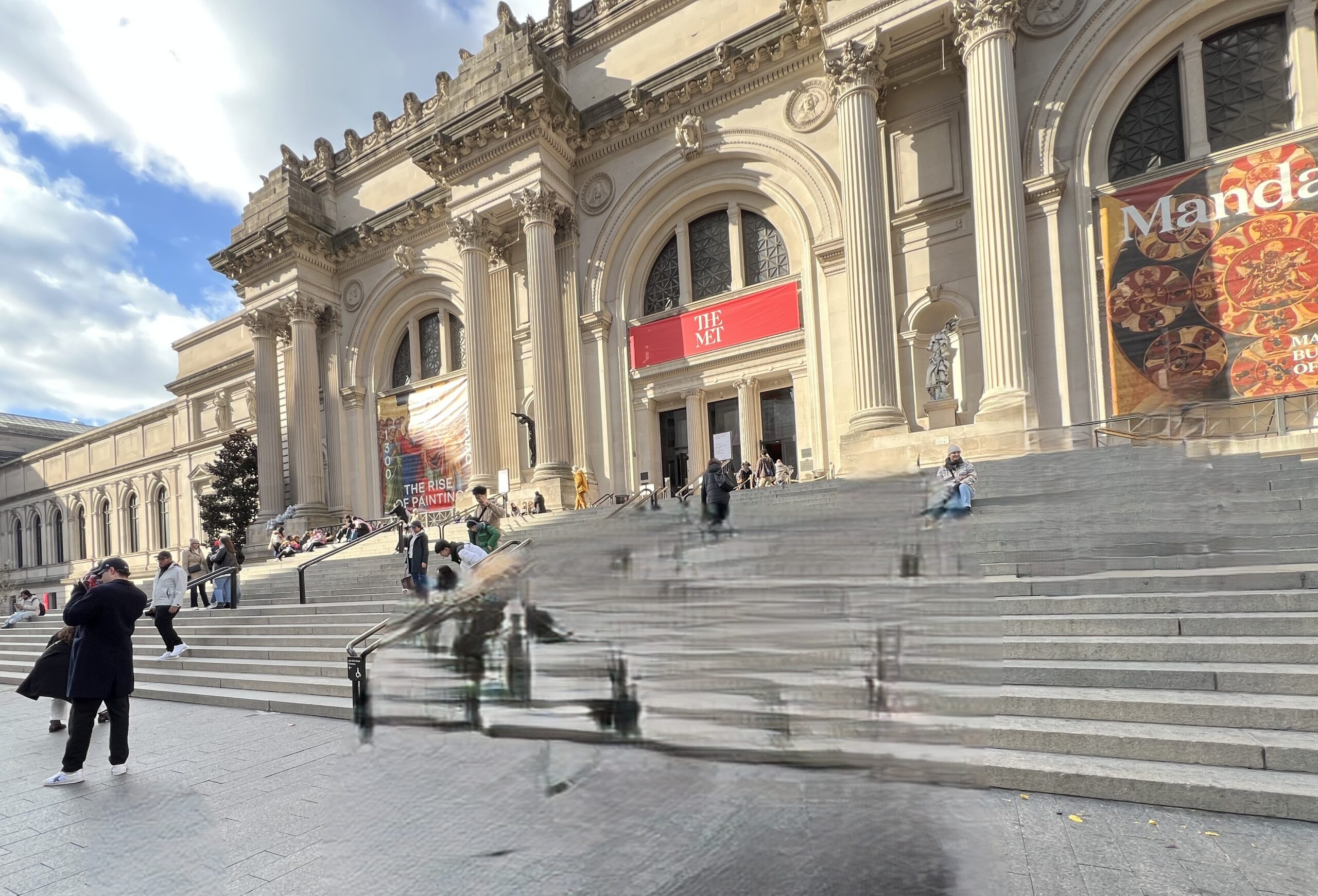
Regarding the interview with Max Hollein, chief executive of New York’s Metropolitan Museum of Art (Work & Careers, April 19), we noted that he says the Met conducts “deep” provenance research to ensure it does not hold objects “that it should not legally own” or that were illegally exported.
The Met focuses its provenance research on the review of its antiquities. The bias towards antiquities points to a double standard. The Met now boasts a “proud history” of restitution, but our research at Mondex Corporation found that only five out of 13 Nazi looted art claims have resulted in restitution, often involving low-value works. High-value cases have typically ended in confidential settlements rather than returns while for others, a mere change of labels was offered as a consolation prize. In the case of Curt Glaser, an art historian who sold his collection before fleeing Germany, the Met did not recognise that the sale of two paintings took place under duress. (The Kunstbibliothek, the Berlin museum where Glaser had been a director, offered the family a plaque in his memory.)
This disparity reflects differing power dynamics. Claims involving states benefit from diplomatic leverage. Claims by Jewish families do not. The result is a pattern in which restitution is more achievable where institutional incentives align, and more resistant where they do not. Hollein seems to frame decisions in terms of the “least damage to the institution”. This signals a move from ethical obligation to one of risk management.
James Palmer & Claudia Eicher
Mondex Corporation, Toronto, ON, Canada
Copyright The Financial Times Limited 2026. All rights reserved.